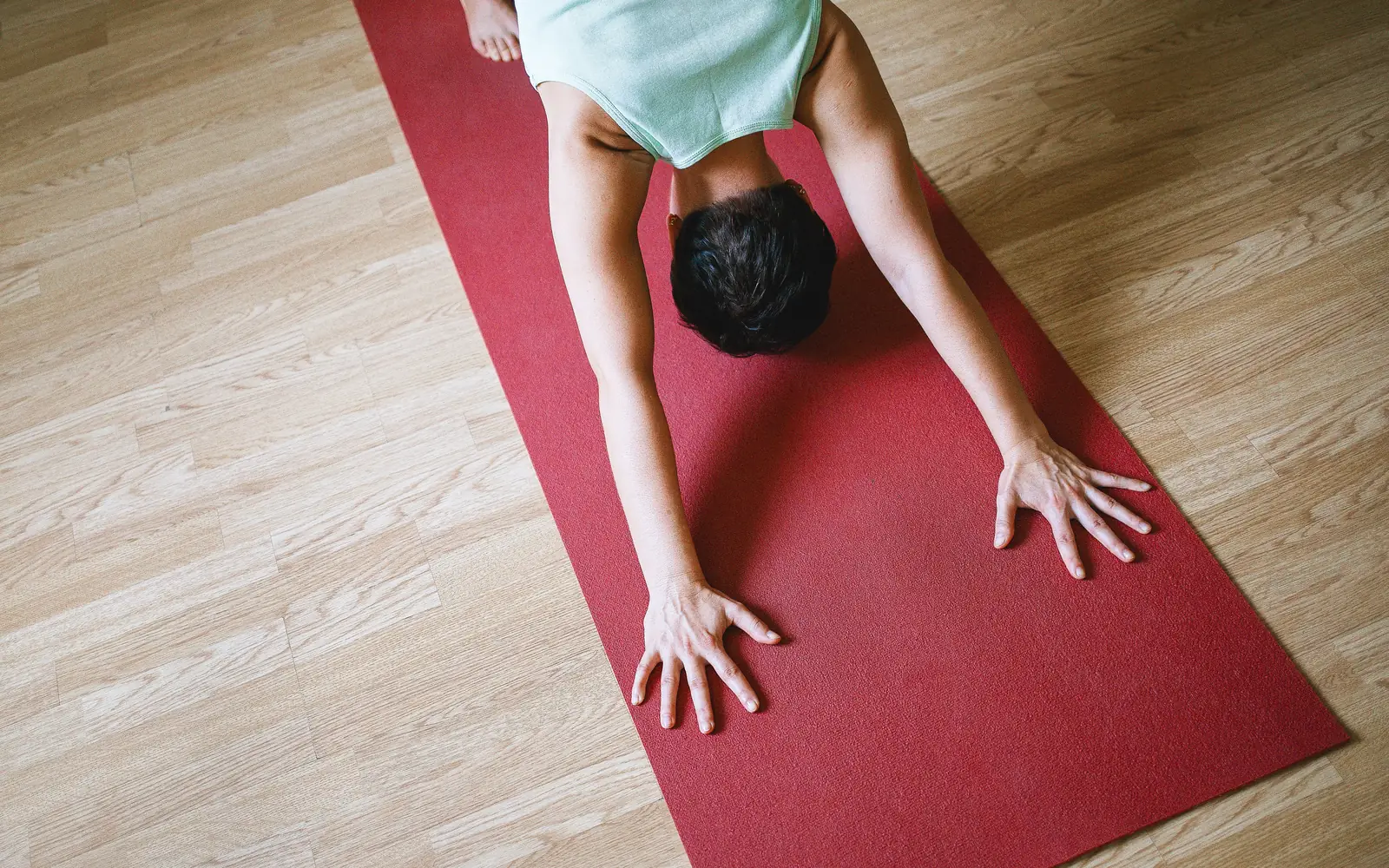
Mobility, Strength and Mindful Movement
Flexibility gets the attention, but strength and control are what keep you moving well. Here is how yoga brings the three together.
Yoga is often associated with flexibility, and it certainly helps with that. But the practice offers something more useful for everyday life: the combination of mobility, strength and attention that helps you move with confidence.
Flexibility versus mobility
Flexibility is how far a muscle can lengthen. Mobility is how well you can actively move a joint through its range, with control. You might be able to pull your leg high with a strap, yet struggle to lift it without help. That gap is where mobility work lives.
In practice, mobility tends to be what makes daily movements feel easier — reaching overhead, squatting down or turning to look behind you.
Where strength comes in
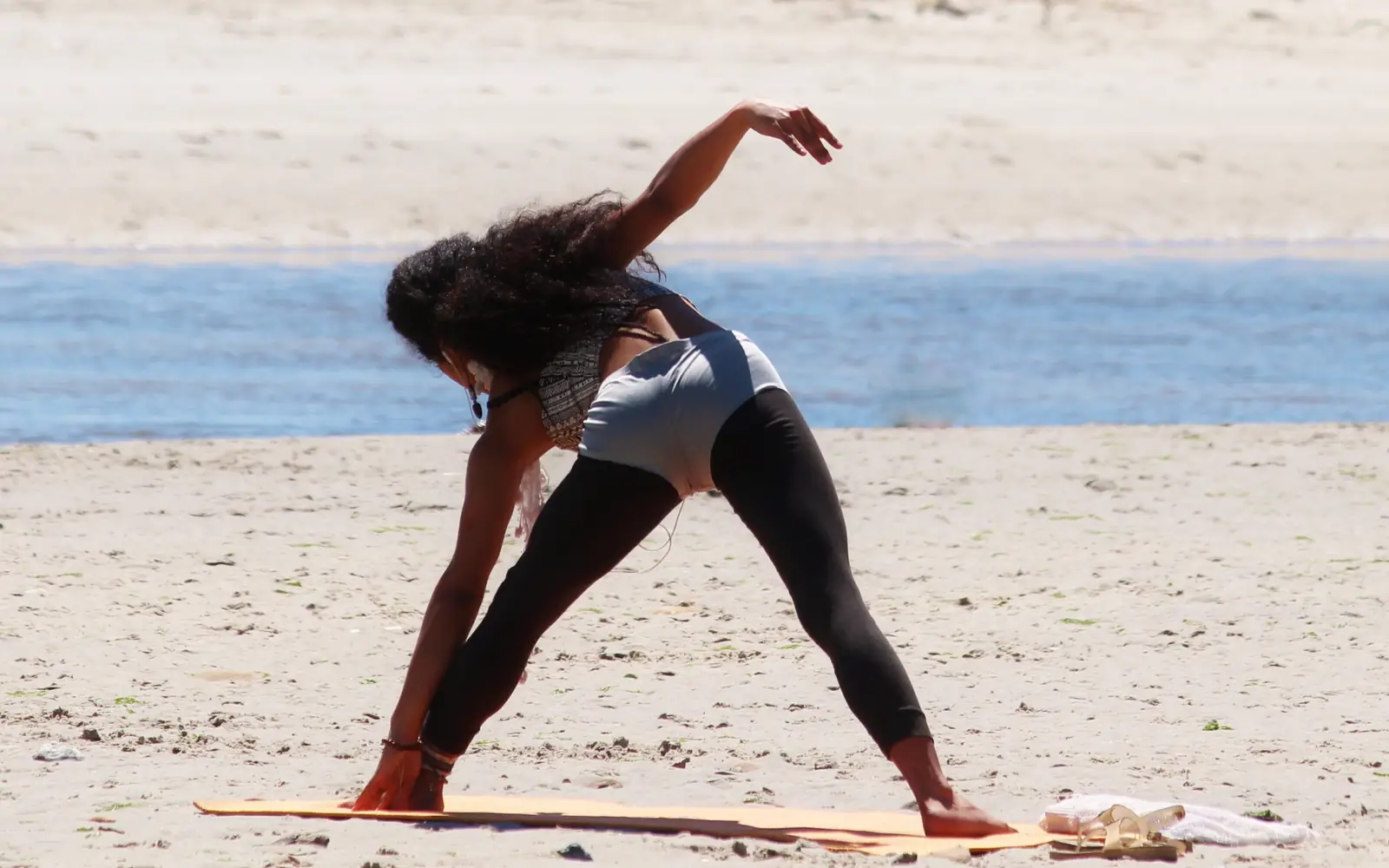
Every standing pose asks your muscles to support you. Holding warrior two, balancing in tree pose or lowering slowly from plank all build strength in a way that is closely tied to real-world movement.
A few cues we use to turn stretches into strength work:
- Press actively into the floor instead of sinking into a pose.
- Slow down transitions — lowering for a count of four is harder than dropping quickly.
- Hold a little longer, keeping the breath smooth.
The role of attention
The “mindful” part of mindful movement is not a slogan. Paying attention to how a pose feels helps you notice small habits — locking the knees, holding the breath, collapsing through the lower back — and gently adjust them.
Over time that awareness carries off the mat. You might notice your posture at your desk or how you lift a heavy bag.
A simple mobility sequence
Try this a few times a week:
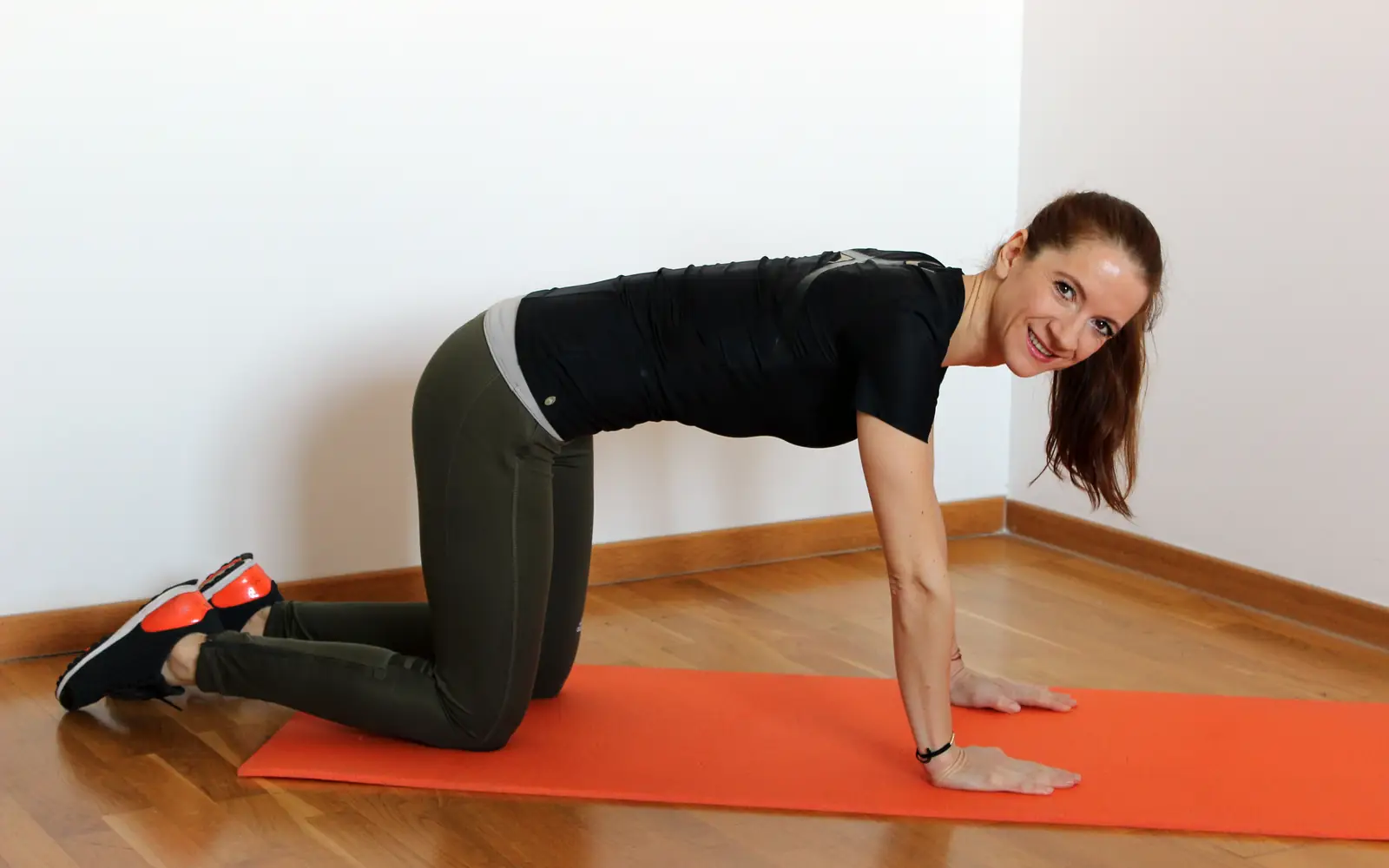
- Cat and cow — eight slow rounds.
- Low lunge with reach — five breaths each side.
- Supported squat — sit on a block, heels down, for one minute.
- Thread the needle — five breaths each side.
- Bridge lifts — ten slow repetitions.
Move within a comfortable range and stop if anything feels sharp or painful.
Bringing it together
Strength without mobility can feel stiff. Mobility without strength can feel unstable. Add attention to both and you get movement that feels capable, steady and your own. That is what we aim for in every class, whatever the style.